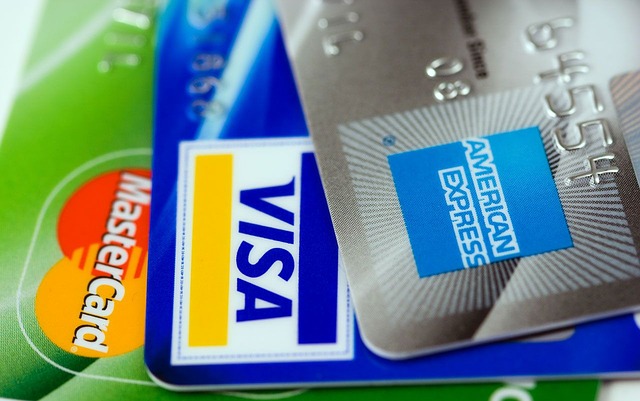
In recent years, there has been a significant increase in the use of virtual credit cards (VCCs) for online transactions. These cards offer enhanced security…
PrivacySense.net
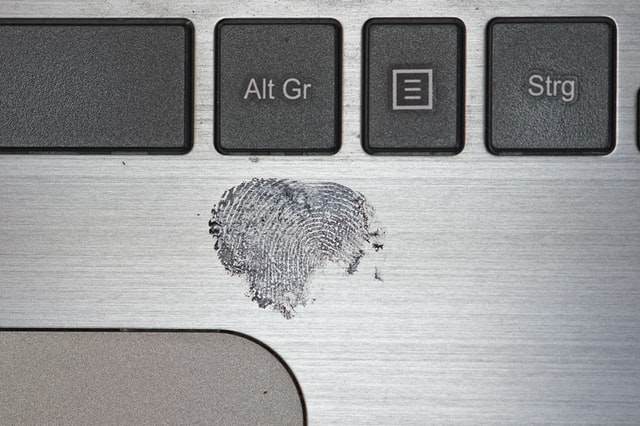
Biometric authentication is a form of identification and authentication that uses physical characteristics, such as fingerprints, facial recognition, or retina scans to identify and authenticate individuals.…

The public sector is increasingly turning to e-tendering technology to ensure security and transparency in the tendering process. E-tendering offers a range of advantages, such…

Have you ever noticed the circle-inside-two-bars symbol on your passport? This symbol signifies the presence of an RFID chip embedded in the cover. Since August…

The recent security incident at CircleCI has highlighted the importance of rotating secrets. In response to the incident, CircleCI released a Security Best Practices Guide which…
Non-fungible tokens (NFTs) have become increasingly popular in recent years as a way to purchase digital assets. NFTs refer to nonfungible tokens, which are digital objects that…

In today’s world, digital technology isn’t just a luxury; it’s a necessity. From entertainment to school and work, it’s almost impossible to exist in modern…
Credit card skimmers are devices that can be used to steal credit card information. They are often placed on ATMs or gas pumps, and can…

As the world becomes increasingly digitized, the need for cyber security awareness training has never been greater. With the click of a button, sensitive data…
For companies, email is a very important tool because it makes employees more efficient, productive, and it helps them remain informed. As such, setting up…

You already know about the benefits of a Clear Screen Policy — now it’s time to implement one in your organization using our free template.

A five minute coffee break can turn into an hour away from your desk. If your organization places any value on its sensitive information...

PIPEDA gives individuals numerous privacy rights, including the ability to request their personal information from organizations, have them correct any errors, and also file a complaint if they feel their personal information has been inappropriately used or sold.

Featured
PIPEDA and Employee Files
According to PIPEDA, employee files are specifically referred to as employee personal information and PIPEDA only applies if it is used or disclosed "in connection with the operation of a federal work, undertaking or business."

Samy Kamkar, the brainchild behind homemade hacks that will let you open any garage door with a child's toy and open a combo lock in 8 attempts or less has revealed his latest gadget: a homemade credit card skimming device called MagSpoof.

Featured
Privacy Training for New Employees
Whenever your organization hires any new staff, such as a general employee, volunteer, or contractor, a privacy officer will usually be responsible for conducting, monitoring, or performing introductory and refresher privacy training.

Your organization donates retired computers to a local charity, and only six months later, its name is found on the front page of the ...

It is important to understand the difference between organizations that operate in the private and public sector because privacy legislation surrounding both sectors is usually vastly different.
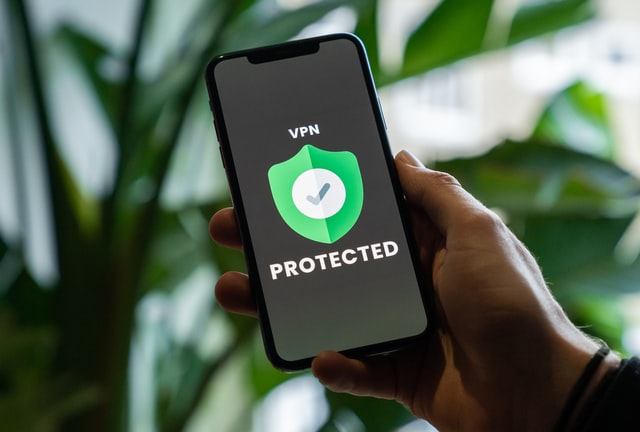
Are you looking for a Virtual Private Network (VPN) to protect your online privacy and security? With so many VPNs on the market, it can be difficult…
Are you looking for a way to protect your online privacy, access blocked content, and have a secure and encrypted connection? If so, then using…

In today’s digital world, it is more important than ever to ensure that your communication is secure. With the rise of cybercrime and data breaches,…

In today’s digital world, secure communication is essential for protecting sensitive data and preventing malicious attacks. This article will discuss the best practices for secure communication, including…